From Grand Central to the Kitchen Table: How New Canaan Is Redefining the Art of the Workday
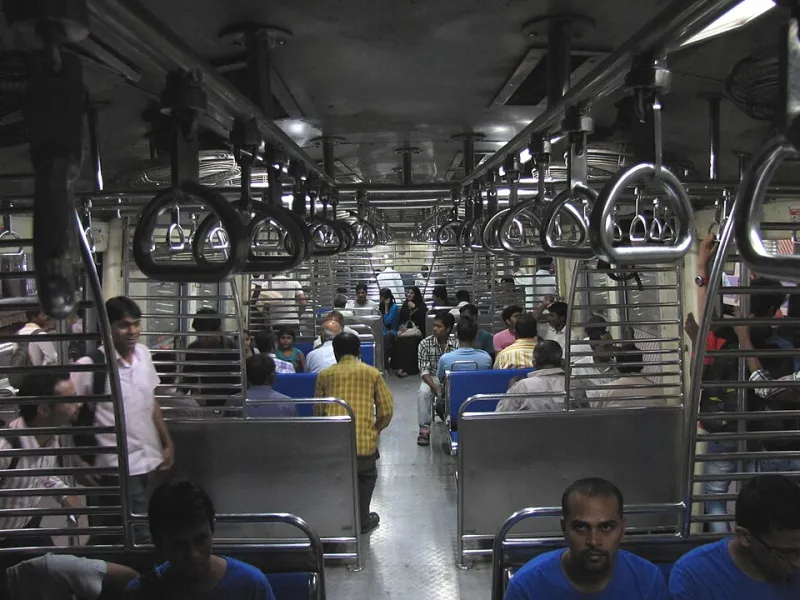
Photo: Vaikoovery, CC BY 3.0, via Wikimedia Commons
For generations, the rhythm of New Canaan life was set, in no small part, by the train schedule. At 7:04 a.m., briefcases and coffee cups converged on the platform at the New Canaan Metro-North station. By 7:10, the town exhaled. The commuters were gone, and the day belonged to those who remained.
That rhythm has changed — perhaps permanently.
The years following the COVID-19 pandemic have brought a quiet but consequential reshaping of daily life in New Canaan. Remote and hybrid work arrangements, once considered temporary accommodations, have settled into the professional culture of the finance, legal, and consulting sectors that employ a significant portion of the town's workforce. The consequences for New Canaan — its train ridership numbers, its downtown economy, its sense of communal identity — are still unfolding.
The Platform Grows Quieter
Ridership data from the Connecticut Department of Transportation tells part of the story. Metro-North's New Canaan Branch, which connects the town to Stamford and ultimately to Grand Central Terminal in Manhattan, saw weekday ridership figures that by 2023 remained measurably below pre-pandemic levels, even as other commuter lines recovered more fully. For a branch line that has historically served a high concentration of New York City professionals, the persistence of remote work has had an outsized effect.
"I used to take the 7:22 every single morning without thinking about it," said one resident, a financial services professional who has lived in town for eleven years. "Now I'm in the office two days a week, maybe three. The other days, I'm here — walking the dog, grabbing lunch on Elm Street, picking up the kids. It's a completely different relationship with the town."
That sentiment is echoed across neighborhoods and professional backgrounds. Attorneys, consultants, media executives, and technology professionals who relocated to New Canaan precisely because of its commuter infrastructure now find themselves spending far more time within its borders — and discovering a version of the town they had previously only glimpsed on weekends.
Downtown's New Regulars
For the merchants and restaurateurs along Elm Street and the surrounding downtown blocks, the shift has produced a complicated mix of opportunity and uncertainty.
On one hand, the presence of residents throughout the workweek has introduced a midday customer base that simply did not exist before 2020. Coffee shops report stronger weekday morning traffic. Lunch crowds at local restaurants have grown more consistent. Fitness studios, specialty retailers, and service providers have welcomed a clientele that was previously commuting past their storefronts before sunrise and returning after sunset.
"We started seeing people we'd never seen before — not on a Tuesday," said one downtown business owner who has operated on Elm Street for more than a decade. "It took a while to understand that these were neighbors who had just never had the time to stop in."
Yet the same transformation has created challenges. Office supply demand, dry-cleaning volumes, and the lunchtime rush that once catered to a more predictable crowd have all shifted in pattern if not always in total scale. Businesses that built their models around the commuter cycle have had to adapt their hours, staffing, and offerings to meet a more dispersed and less predictable flow of foot traffic.
Real Estate and the Meaning of Space
The real estate market in New Canaan has registered the shift in its own distinct way. During the pandemic surge of 2020 and 2021, the town — like many affluent Fairfield County communities — experienced extraordinary demand as New York City residents sought more space, better schools, and the ability to work from home without sacrificing proximity to the city. Home prices rose sharply, inventory tightened, and the town's appeal as a livable, walkable community with strong public schools came into sharp focus.
As the market has normalized, the emphasis on home office space, outdoor areas, and room to accommodate a hybrid lifestyle has remained a consistent factor in buyer priorities. Local real estate professionals note that properties with dedicated office spaces or the square footage to create them continue to command particular interest.
The broader question — whether New Canaan's identity as a bedroom community is evolving toward something more self-contained — is one that planners, civic leaders, and residents are beginning to take seriously.
A Town in Conversation With Itself
New Canaan has long prided itself on a certain character: well-maintained, civic-minded, and deeply connected to the broader metropolitan economy while maintaining a distinct small-town sensibility. The commuter train was, in many ways, the physical embodiment of that dual identity. It made New Canaan simultaneously a part of and apart from New York City.
With more residents present throughout the week, that balance is shifting. Town meetings, library programs, weekday community events, and local volunteer organizations have all seen increased engagement from residents who previously had little time to participate. The social fabric of the town — the conversations at the coffee counter, the impromptu exchanges on the sidewalk — has grown denser in ways that many residents describe as welcome.
"There's something different about actually living in a place versus just sleeping in it," reflected one longtime resident who now works fully remotely. "I feel like I know my neighbors in a way I never did before. I know what's happening at Town Hall. I care about the zoning meeting."
That heightened civic presence carries implications that extend well beyond the question of who rides the 7:22. As New Canaan navigates decisions about development, infrastructure, and community investment, it will do so with a resident population that is more present, more engaged, and perhaps more invested in the town's daily life than at any point in recent memory.
Whether the train platform fills again — fully, reliably, as it once did — remains an open question. What seems clear is that New Canaan is no longer simply a place people leave. Increasingly, it is a place people choose to stay.